
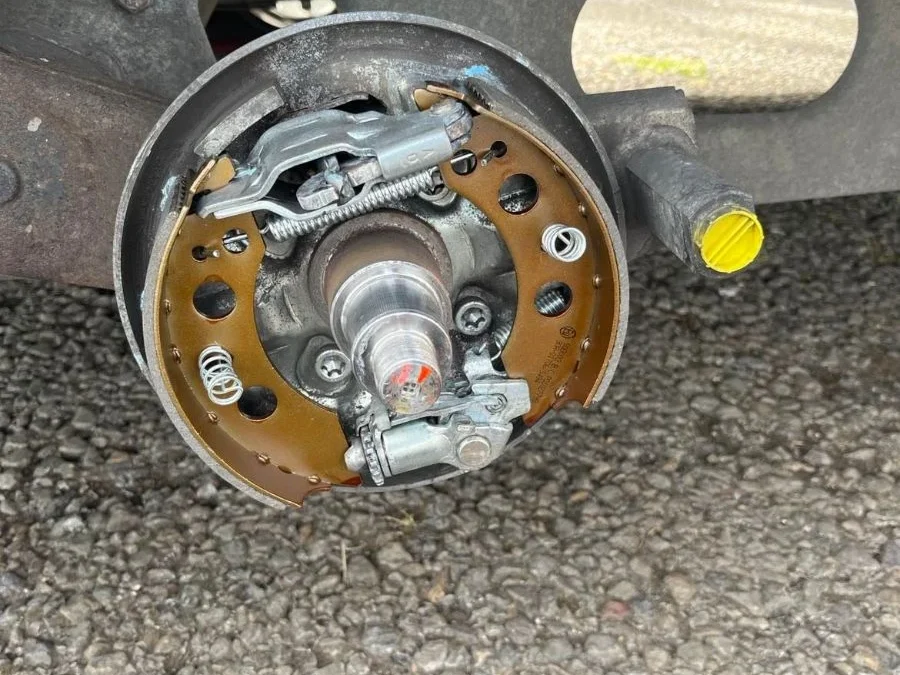
Just like any other vehicle, the braking system in a caravan is vital for ensuring the safety of both the driver and others on the road. Without properly functioning brakes, stopping a caravan safely becomes much harder, which increases the risk of accidents, especially in emergency situations or on long, steep descents. Issues can arise with a caravan’s brakes over time, from worn out brake pads to uneven brake pressure and these problems can often be difficult to spot. At Jones Caravans, we offer caravan repairs and in this post, we’ll highlight some common issues that brakes have, as well as the key signs to watch for that indicate a potential problem.
Problems that Occur
The braking system in a caravan is under constant pressure, especially when towing heavy loads or navigating steep inclines. Over time, various issues can arise that affect the performance and safety of the brakes. These problems can range from minor issues, such as worn brake pads, to more serious concerns like brake fluid leaks or hydraulic failures.
Regular servicing is vital to keep your braking system in good condition, ensuring your safety on the road and avoiding the need for repairs. Below are some common issues that arise with caravan brakes;
Worn Brake Pads
Over time, the friction material on the pads breaks down, reducing their ability to effectively slow down or stop the caravan. Worn pads can result in longer stopping distances and less efficient braking, which increases the risk of accidents. Regular inspection and replacement of brake pads are crucial for maintaining safe and reliable braking performance.
Uneven Brake Pressure
Brake pressure issues often occur when there is a fault in the caravan brake system. This can happen if the brake fluid is low, there is air in the brake lines, or the master cylinder is malfunctioning. Uneven brake pressure leads to poor performance, with some brakes applying more force than others, causing the caravan to pull to one side or become difficult to control.
Brake Fluid Leaks
Leaks in the brake lines or master cylinder can significantly impact the performance of your brakes. If the brake fluid levels drop too low due to a leak, the brakes can lose their effectiveness, leading to dangerous situations where the caravan cannot stop properly. Identifying brake fluid leaks early can prevent more severe damage to the braking system.
Key Signs You Have Problems with Your Caravan Brakes
While many caravan owners understand the importance of addressing brake issues promptly, it can sometimes be difficult to notice the warning signs. By being able to spot these signs early, you can seek repairs from a company like Jones Caravans, ensuring the safety of your caravan.
Below, we outline some key signs that may indicate potential problems with the brakes:
Squeaking or Grinding Noises
Squeaking can happen when the friction material on the pads has thinned, while grinding noises usually indicate that the metal parts of the brake are rubbing against each other. This can lead to more serious issues, such as damage to the rotors or callipers, which can be costly to repair if not addressed promptly.
Increased Stopping Distance
If you notice that it takes longer to bring your caravan to a stop, the brake pads may be worn or the brake fluid may be low. In some cases, it could be an issue with the brake lines, causing a loss of pressure. An extended stopping distance is particularly concerning when towing a heavy load, as it reduces your ability to stop quickly in an emergency. This issue should be addressed quickly to avoid dangerous driving situations.
Vibrations or Pulling to One Side
Uneven wear can happen when the pads are not properly aligned or when the rotors are warped due to overheating. This problem can make the caravan harder to control, especially when towing a heavy load. A caravan that pulls to one side while braking can also be a sign of brake fluid imbalance, which can lead to dangerous driving conditions if left unchecked.
Soft or Spongy Brake Pedal
Air in the brake lines or low brake fluid levels reduce the pressure needed for the brakes to function effectively. This can cause a delay in response time, making it difficult to stop the caravan quickly. A soft pedal is often a result of fluid leaks, and if not addressed immediately, it could result in complete brake failure. Regular checks of your brake fluid are essential to maintaining proper brake performance.
Warning Lights or Brake Warning Indicators
If these lights appear on your dashboard, it’s essential to have your brakes inspected as soon as possible. These warning lights may indicate issues such as low brake fluid, worn brake pads, or problems with the brake sensors. Ignoring these warning signals can lead to further damage or even complete brake failure, jeopardising your safety on the road.
Welcome to Jones Caravans
At Jones Caravans, we specialise caravan repairs. Whether you have an issue with your brakes, electrical system, tyres, or interior, we can help and get your caravan back up and running in no time. No matter how big or small the issue is with your caravan, you can rely on us to fix it quickly and efficiently. All of our caravan repair work is carried out by qualified, professional, and experienced engineers across the North of England and all of Scotland. Want to learn more about our caravan repairs? Contact us today to speak to a member of our team.